OYAK CEMENT SILO
Requested
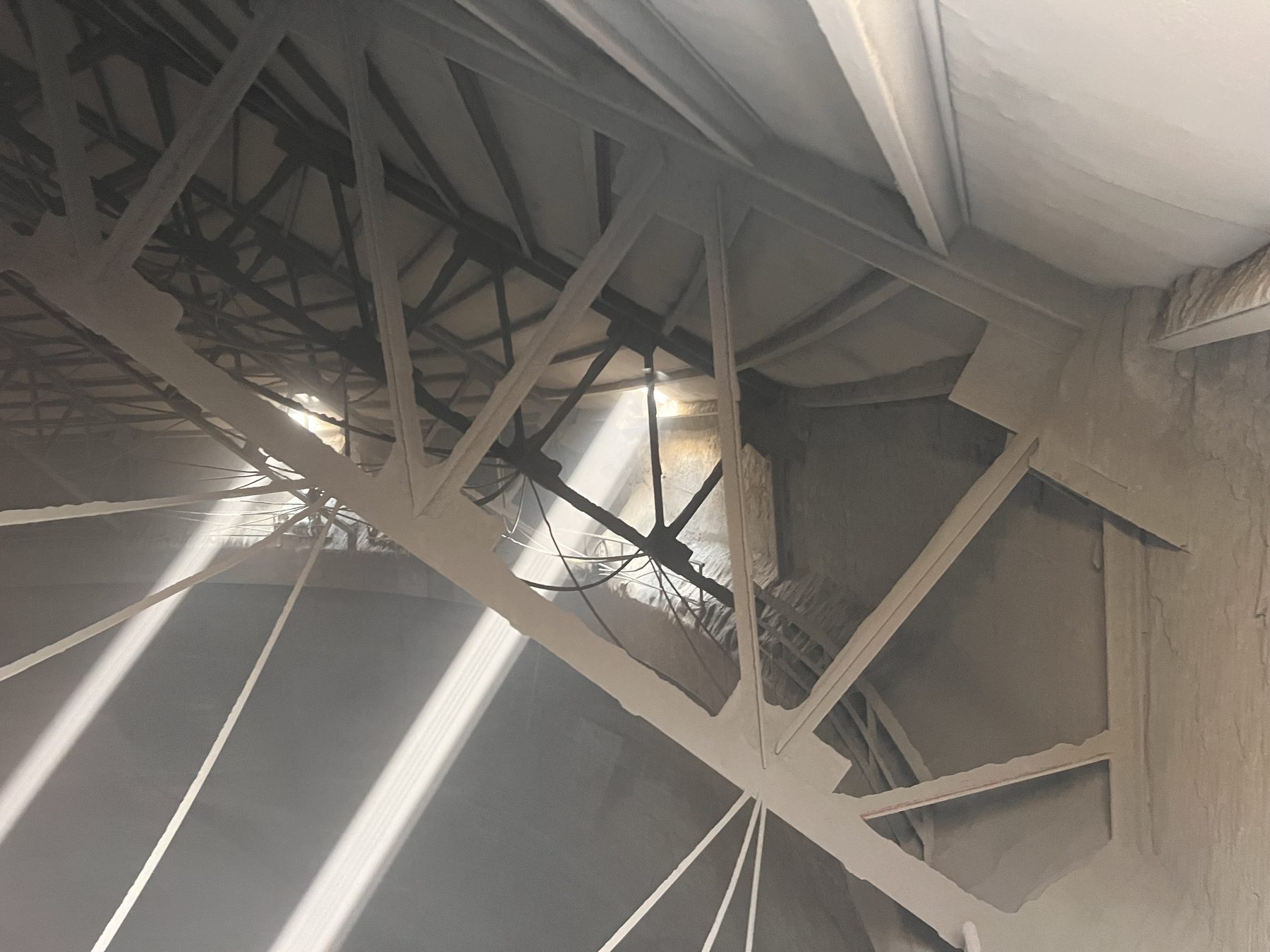
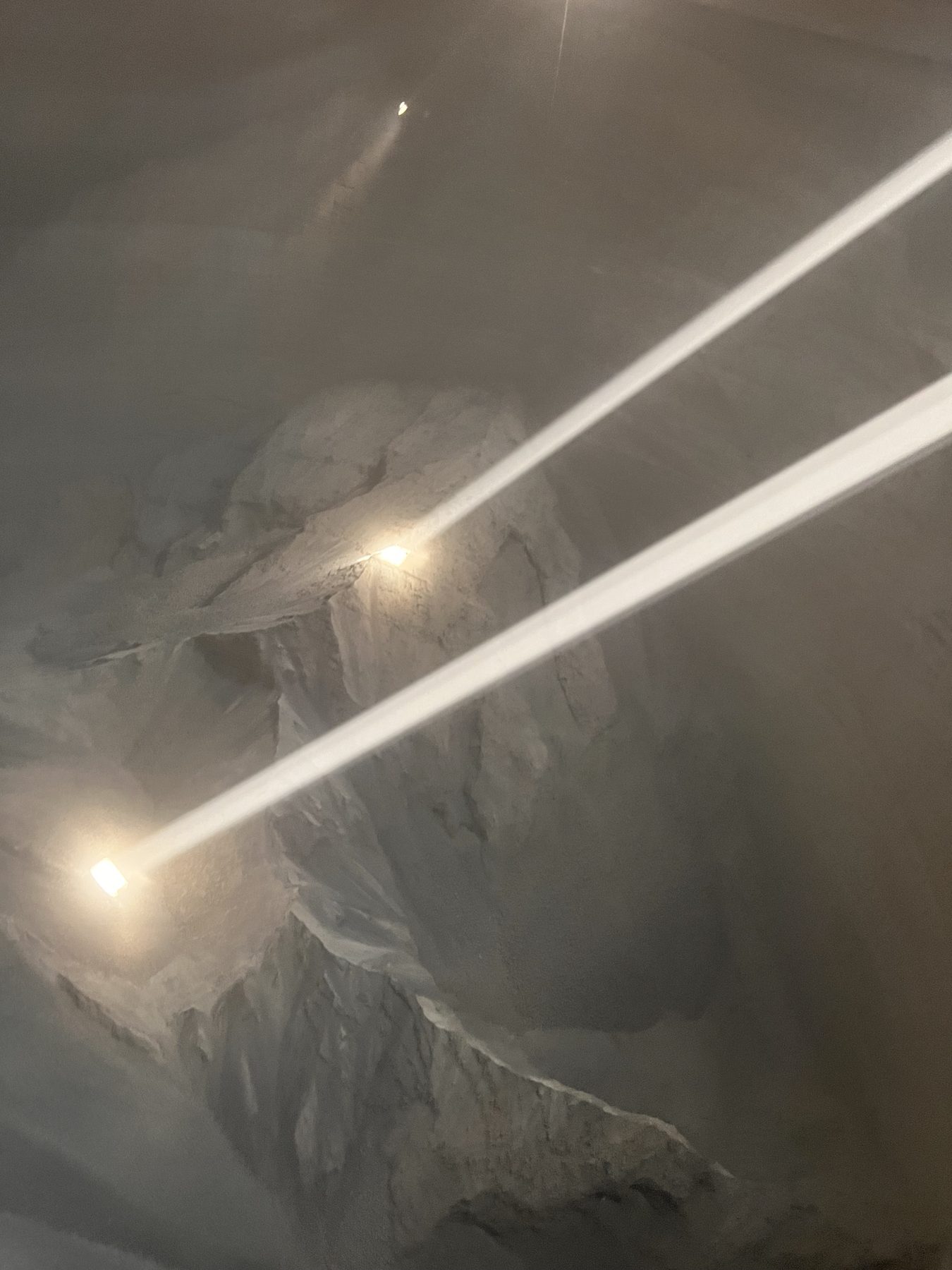
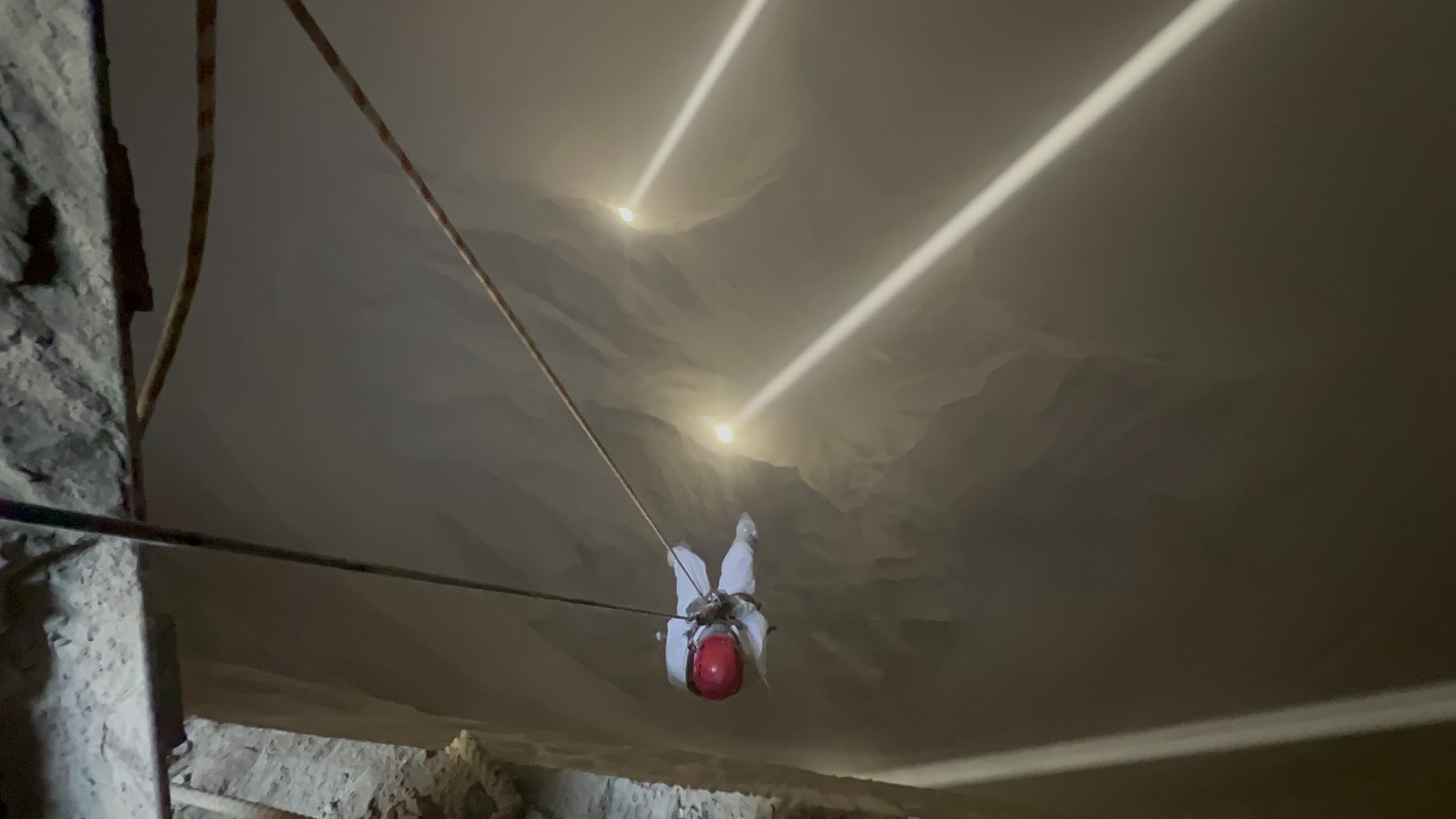
More than 10,000 tons of hardened raw material had to be broken on the floor of the clinker silo with a diameter of 40 meters and a height of 40 meters at the Oyak cement factory. This accumulated raw material would be given to production through the covers under the silo.
How did we solve it?
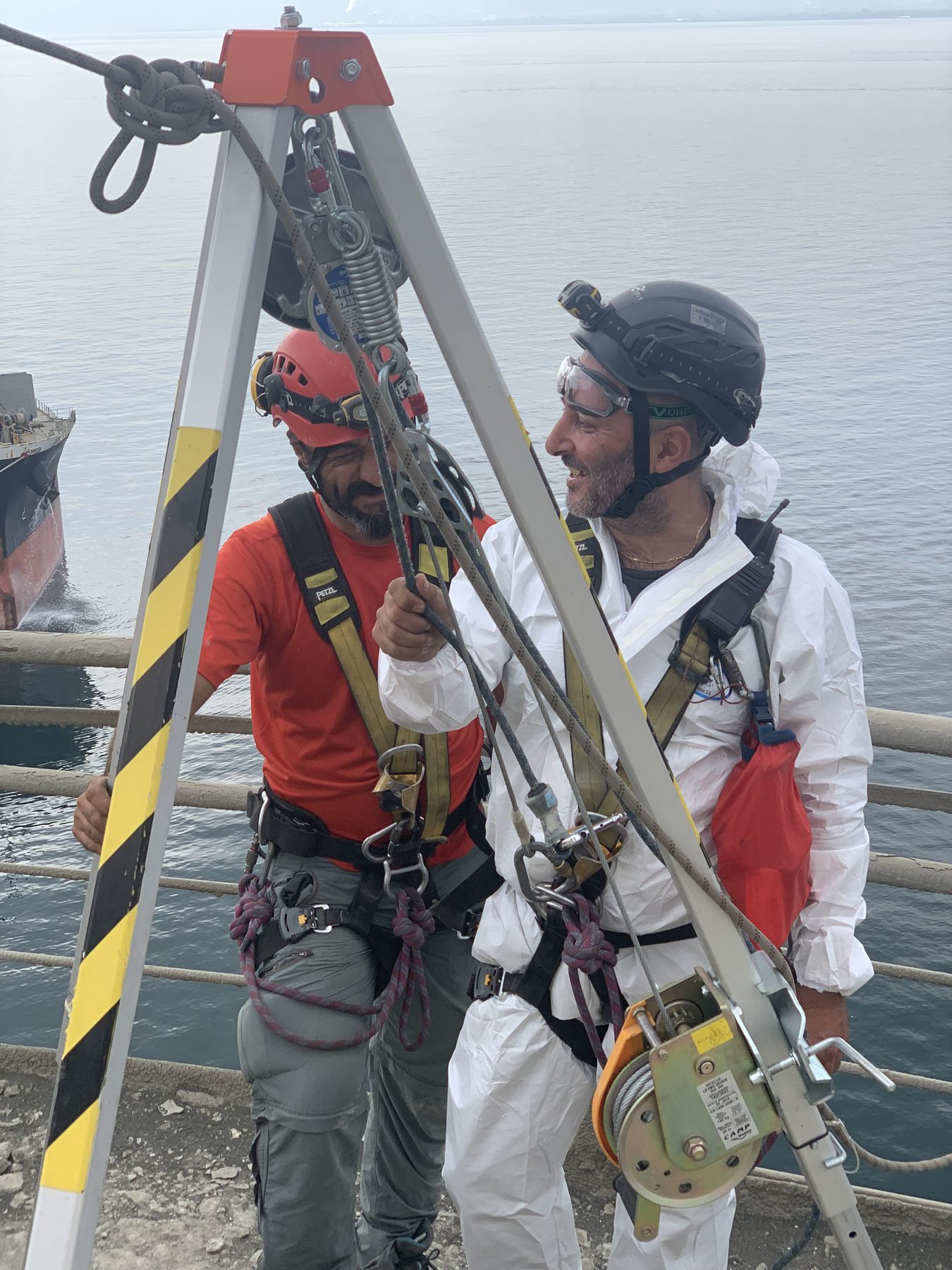
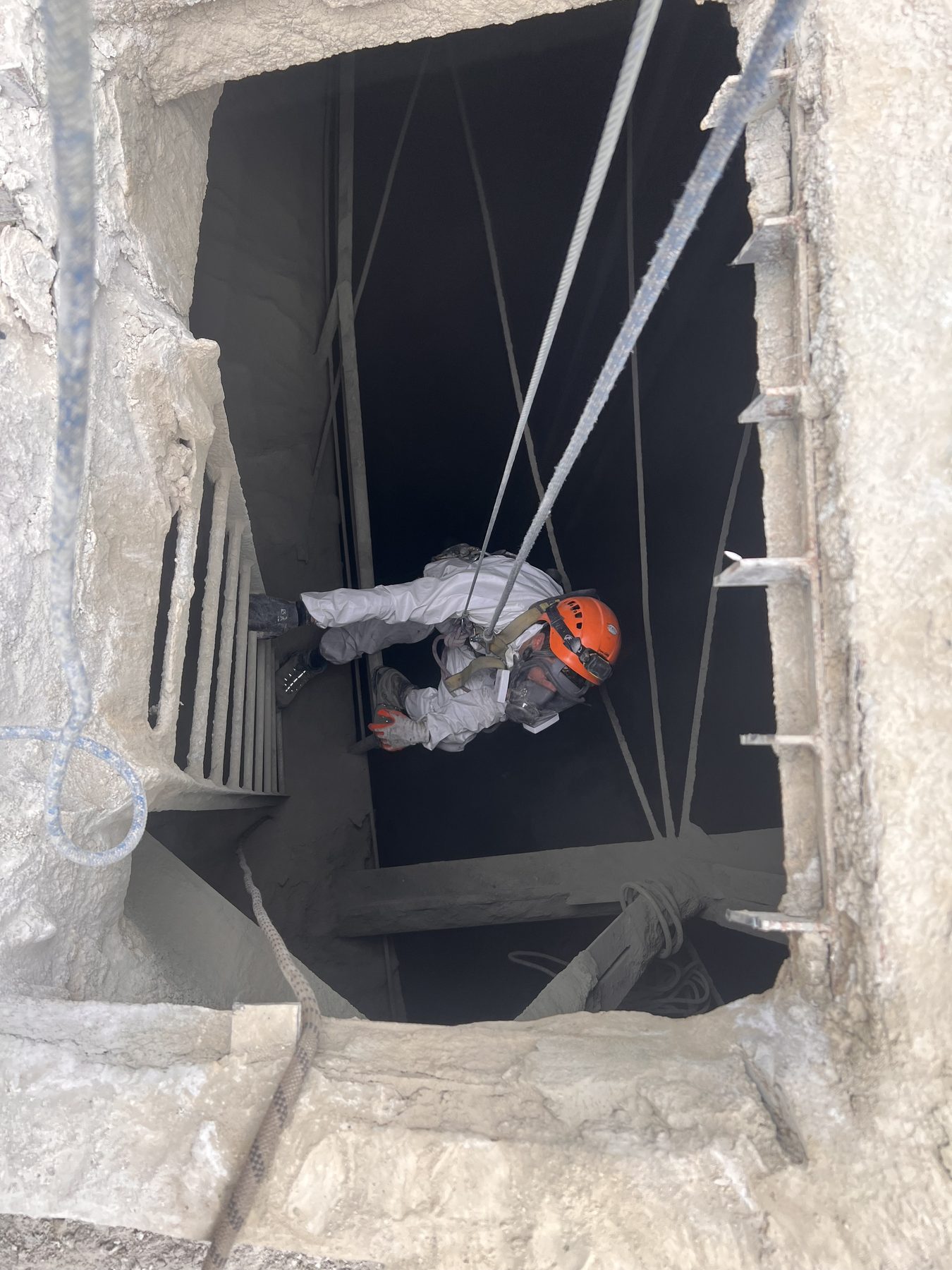
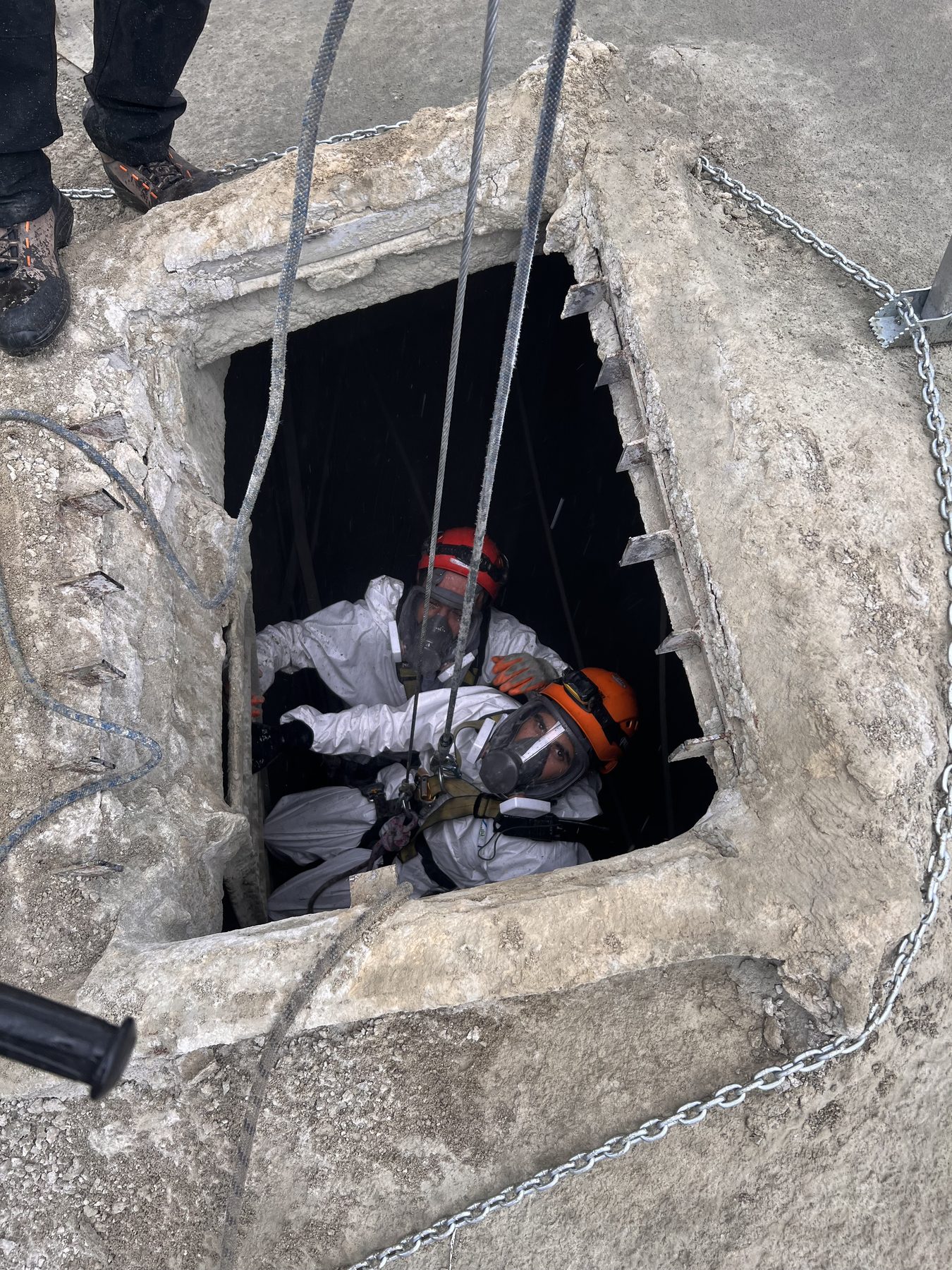
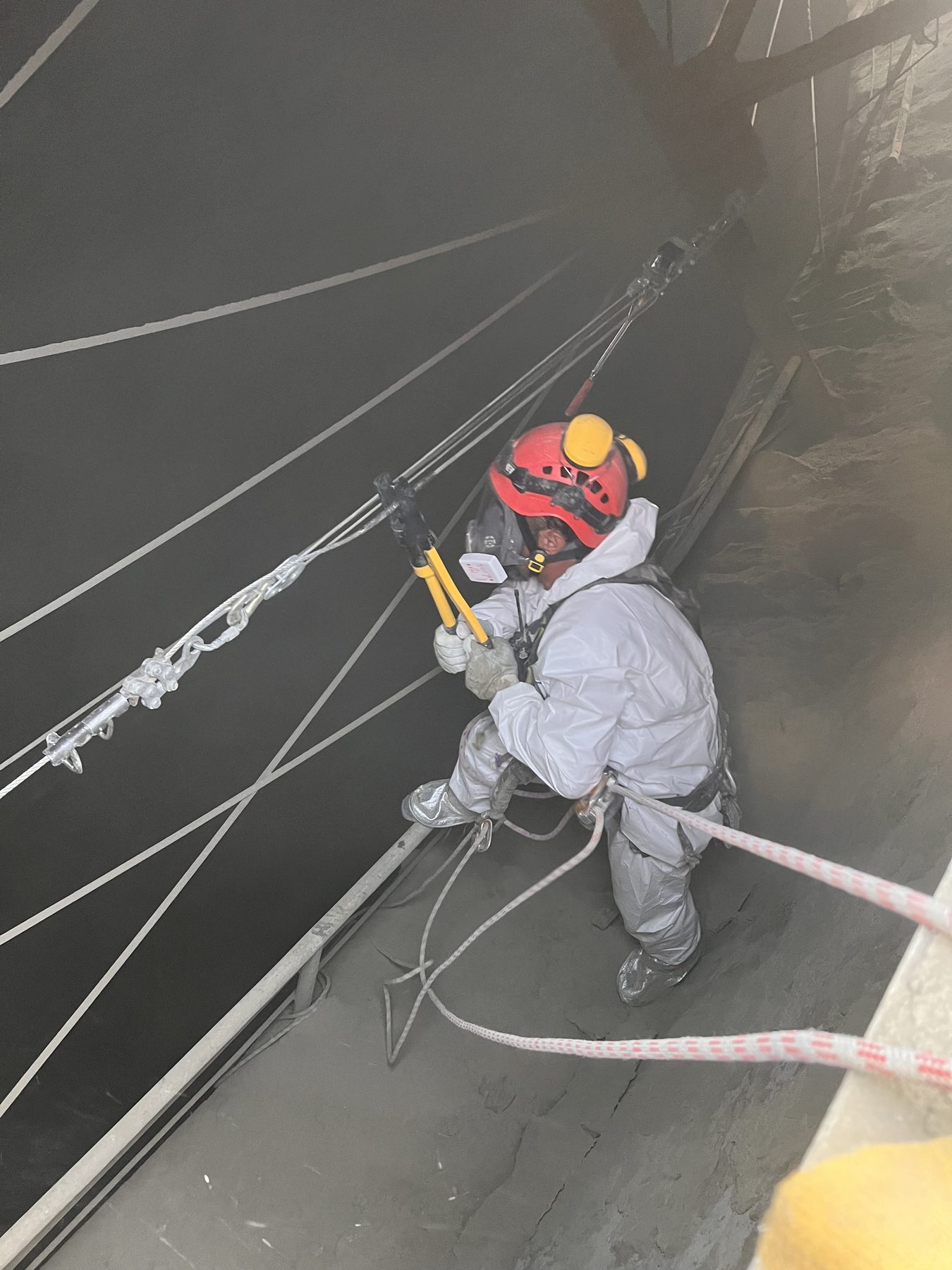
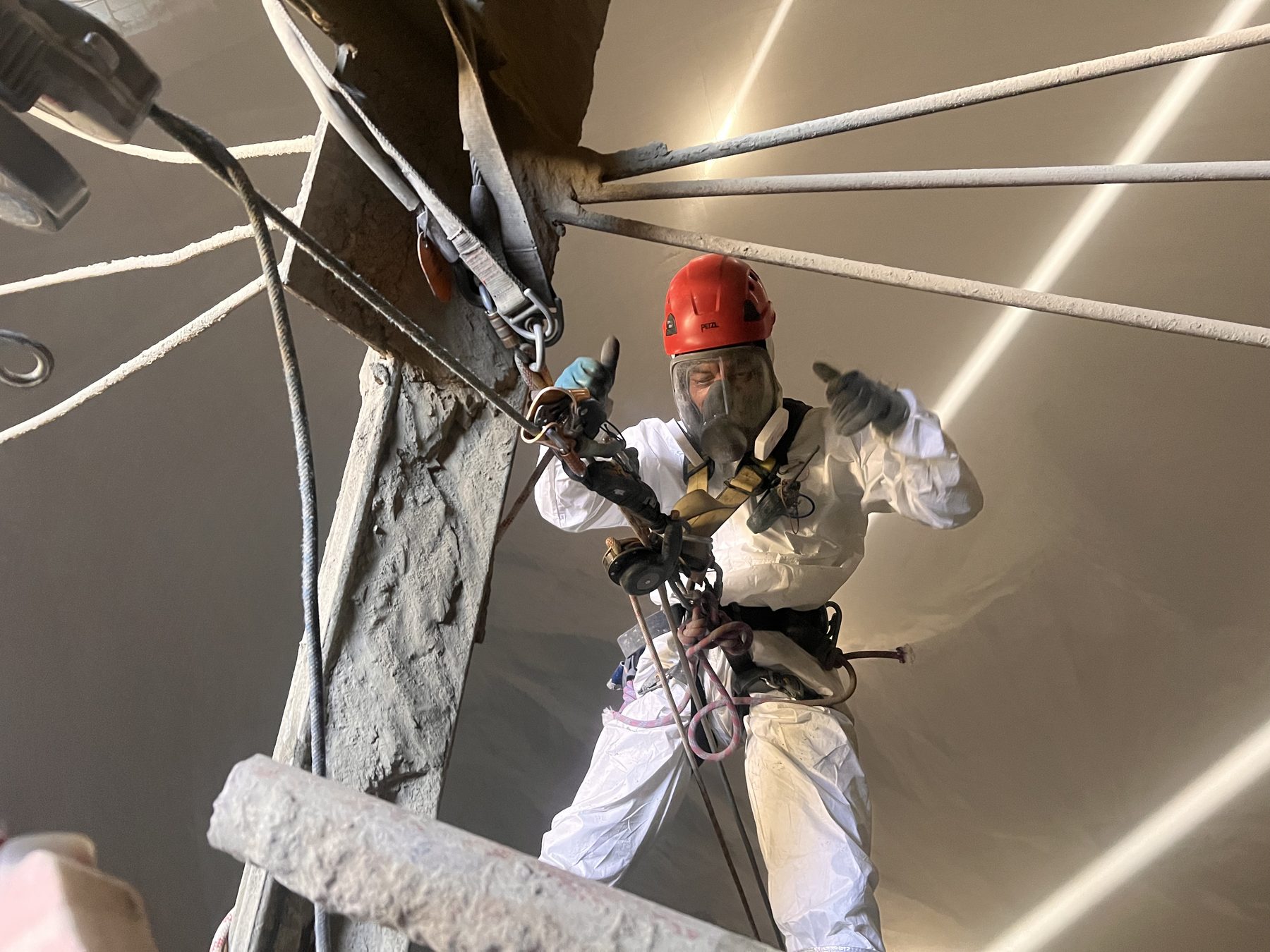
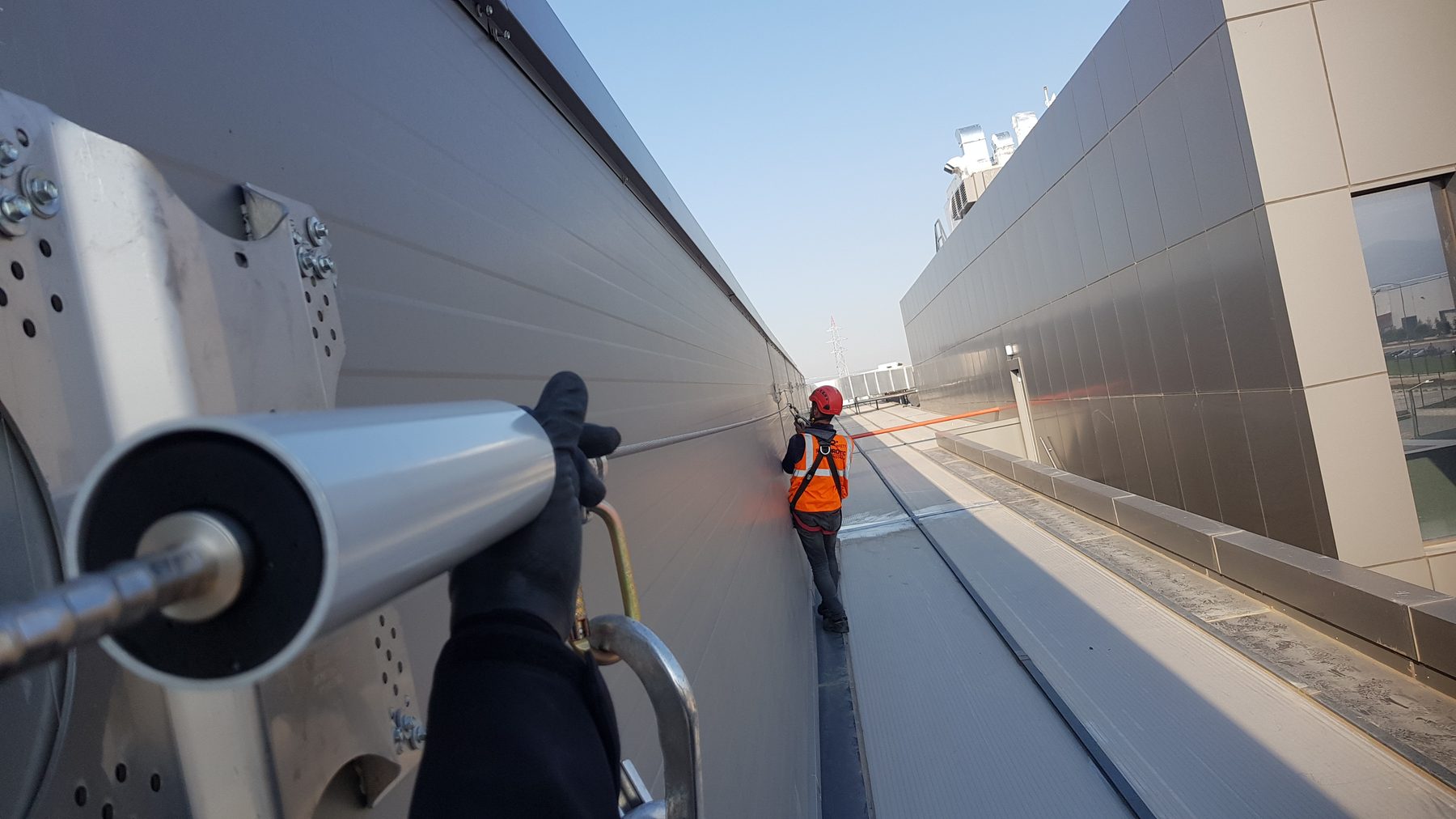
Since clinker raw material is a corrosive and irritating substance, we used special overalls, gaiters, full face masks, gloves, etc. in addition to rope access technical materials. We carried out our work with special protective equipment that would prevent the skin surface of the body from coming into contact with the raw material.
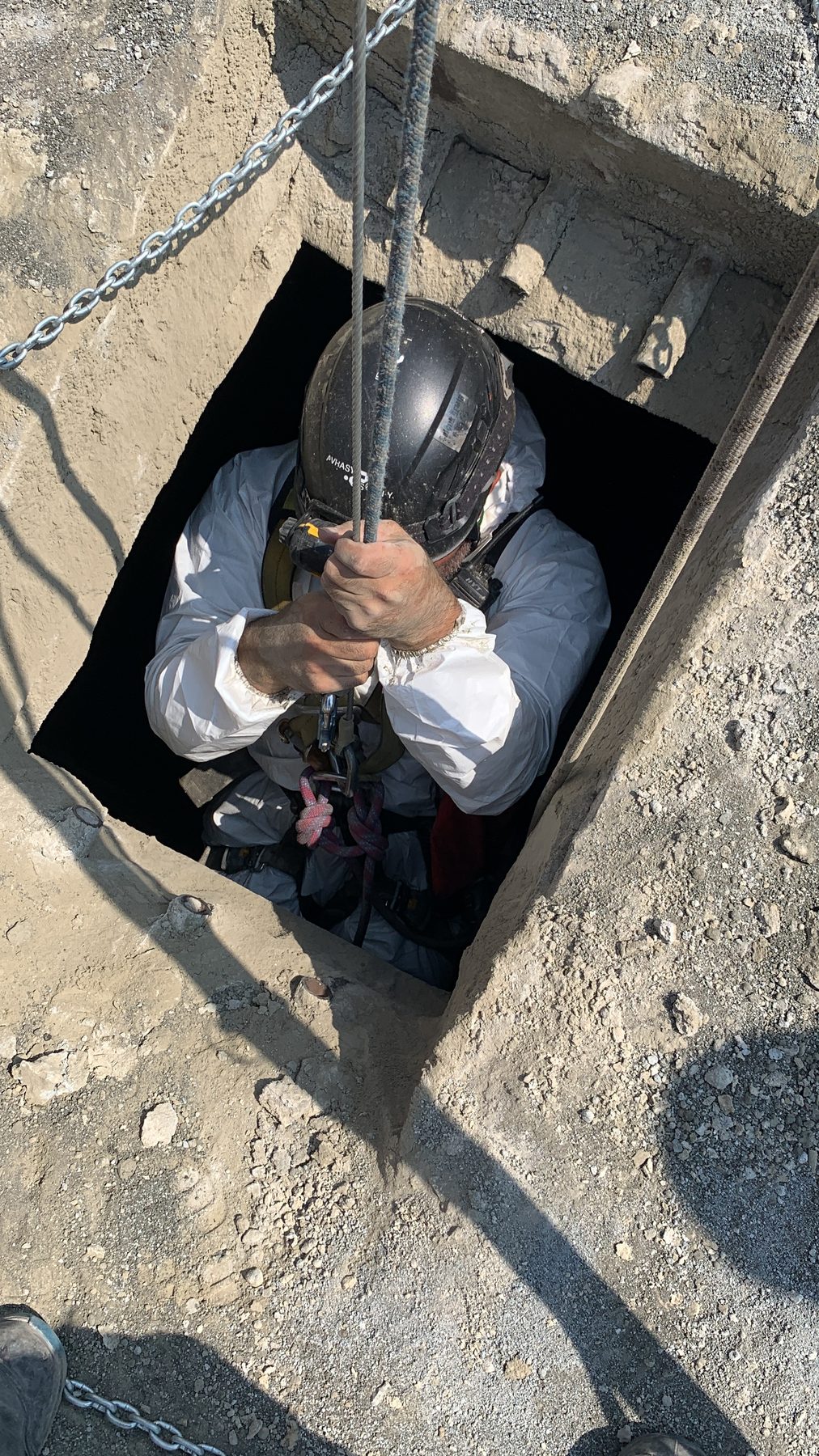
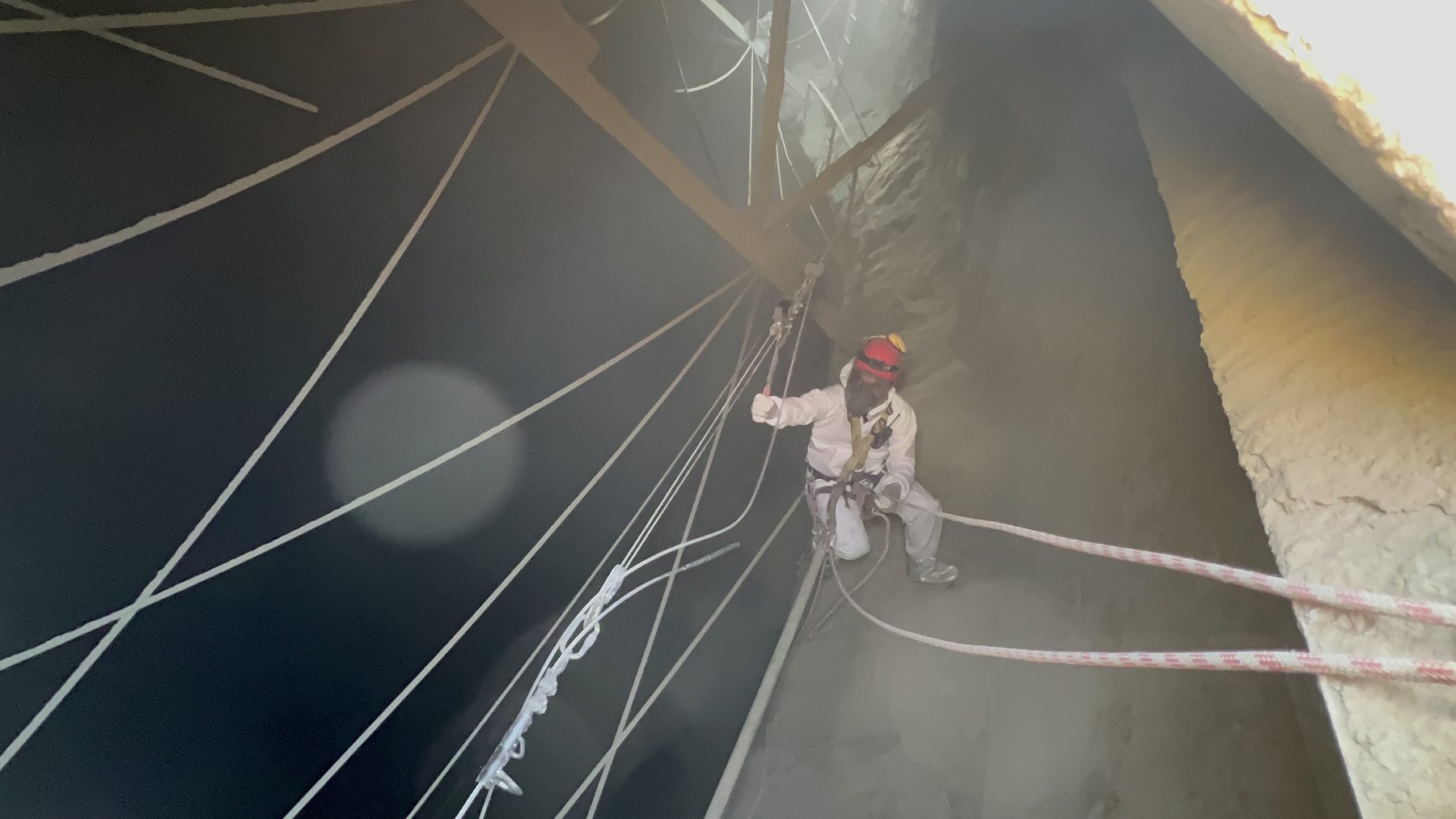
First the checking was made, it was very difficult to breathe with a mask because the temperature was 50 degrees and there was a lot of dust. Due to sweating, there was a lot of fluid loss and vision impairment. Working was possible by taking frequent breaks. During the exploration, it was understood that the silo could only be entered through the upper hatches, so a tripod was used to go down from there. First of all, for safety reasons, when we descended 3 meters below the cover, the accumulated and hardened raw material in the cat path had to be broken. However, more than half of the railings on the cat path were unusable. First of all, a permanent lifeline had to be installed there. The reason was that a cat path had to be used to descend to the floor of the silo. That’s why a temporary lifeline was installed first. Later, a permanent lifeline was installed by connecting to this temporary lifeline. A vertical lifeline was also installed on the existing ladder to reach the instaled permanent lifeline. To reach the area where it will land on the floor of the silo, the cat path and lifeline at the 37th meter were used to reach the area at the top of the area where it would land. Our rope access technicians descended to the ground with 2 steel slings and 2 40-meter ropes. The necessary work could be done there.
How long did it take?
In addition to the work done using rope access techniques, the breaking work was greatly accelerated by using different techniques. The crushing work was accelerated with special weights thrown down the catwalks using specially designed equipment, and the work was completed in 20 days. Many of the covers that transport materials from the silo to production were blocked due to materials that should not normally be in the silo, catwalks and pieces broken off from the guardrails. These materials were lifted up with the help of lifting. In this way, all closed covers were opened and raw material shipment was restored to the desired state.